The History of the U.S. Morgan Silver Dollar
The Morgan Silver Dollar is one of the most recognizable and widely collected coins in American history. Minted during a time of rapid industrial growth and political debate over silver, the Morgan dollar represents both economic policy and classic American coin design.
From its creation in the late 19th century to its lasting popularity today, the Morgan silver dollar remains a cornerstone of U.S. numismatics.
Origins of the Morgan Silver Dollar (1878)
The Morgan Silver Dollar was introduced in 1878 following the passage of the Bland–Allison Act, which required the U.S. government to purchase large amounts of domestically mined silver. This legislation was driven by powerful mining interests and debates over the nation’s monetary system.
With an abundance of silver available—especially from Nevada’s Comstock Lode—the U.S. Mint needed a new silver dollar design, leading to the birth of the Morgan dollar.
Design and Symbolism
The Morgan dollar was designed by George T. Morgan, an assistant engraver at the U.S. Mint. His design marked a departure from earlier classical styles.
-
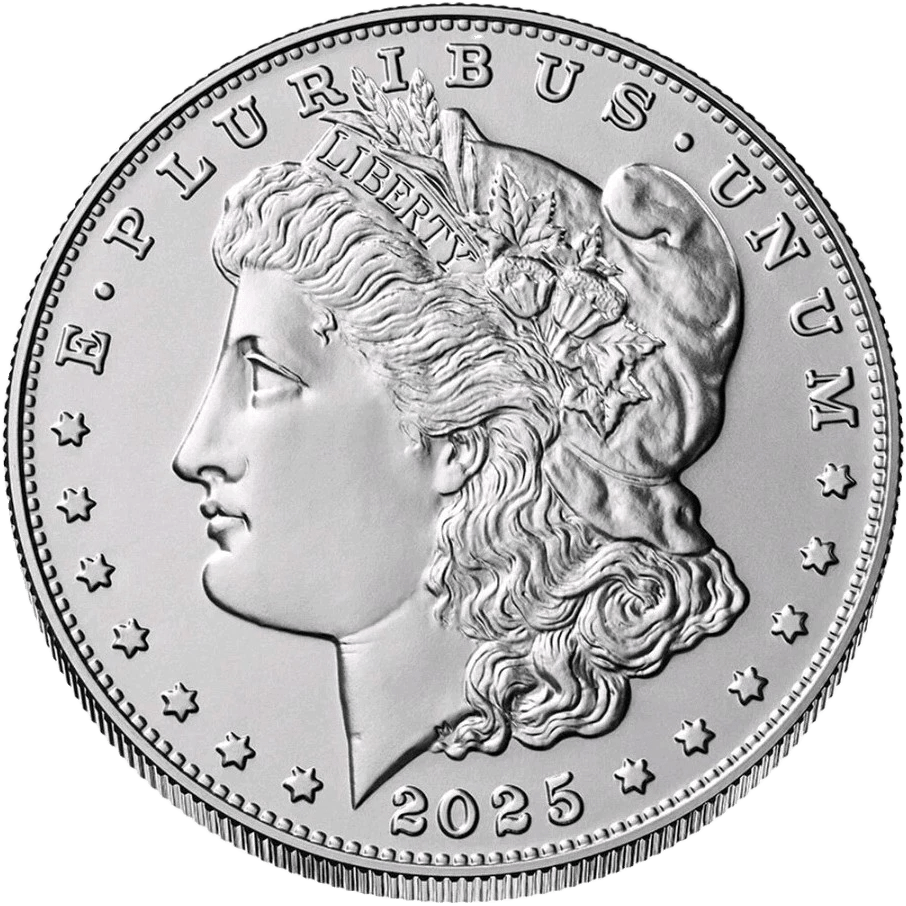
Obverse: Lady Liberty is shown in profile, wearing a Phrygian cap and a crown of wheat and cotton, symbolizing unity between agriculture and industry.
-
Reverse: An eagle with outstretched wings clutches arrows and an olive branch, representing strength and peace.
Morgan’s Liberty was modeled after a real American woman, giving the coin a more natural and distinctly American appearance compared to earlier depictions.
Years of Production and Mint Marks (1878–1904, 1921)
Morgan silver dollars were minted from 1878 to 1904, then briefly again in 1921. They were struck at multiple U.S. Mint locations, including:
-
Philadelphia (no mint mark)
-
San Francisco (S)
-
New Orleans (O)
-
Carson City (CC)
-
Denver (D – 1921 only)
Certain mint marks, especially Carson City Morgan dollars, are highly desirable due to lower mintages and historical significance.
Storage, Vaults, and the Treasury Hoard
Although millions of Morgan dollars were minted, many never entered circulation. Instead, they were stored in U.S. Treasury vaults for decades, stacked in bags and largely forgotten.
In the 1960s, large quantities were released to the public, revealing vast numbers of well-preserved coins. This discovery played a major role in shaping today’s Morgan dollar collecting market.
The End of the Morgan Dollar
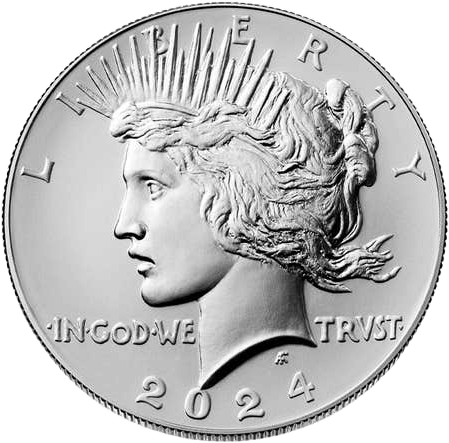
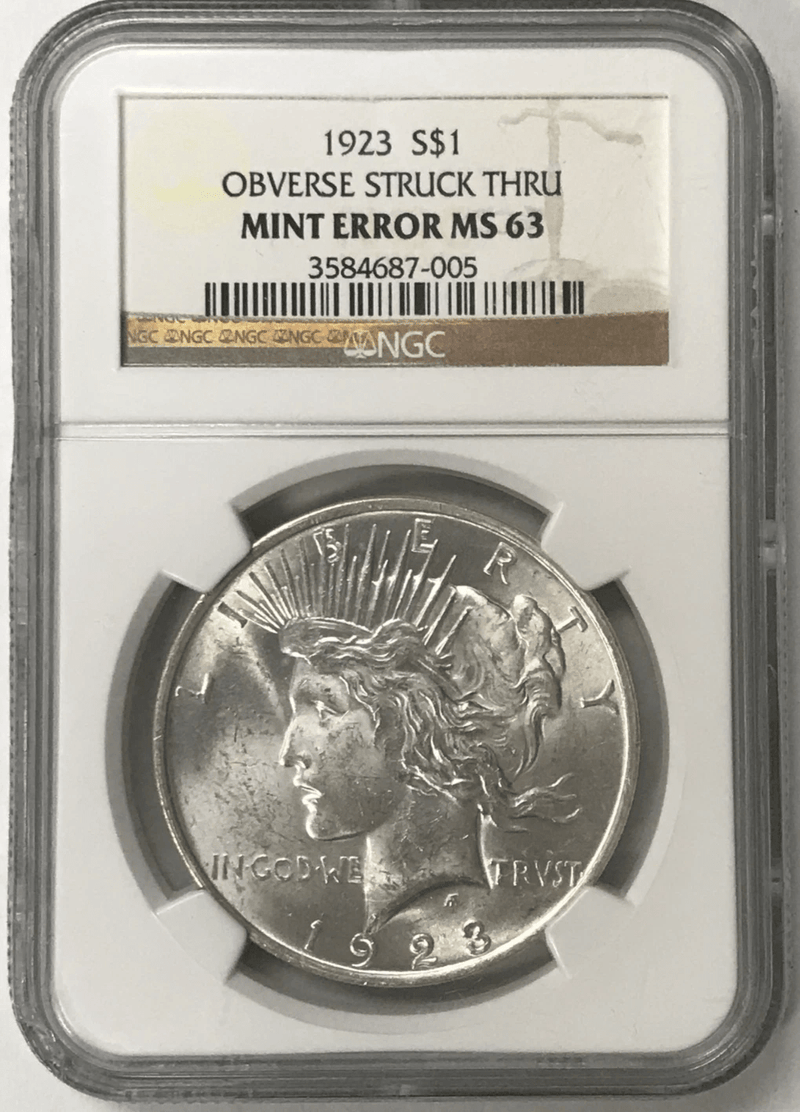
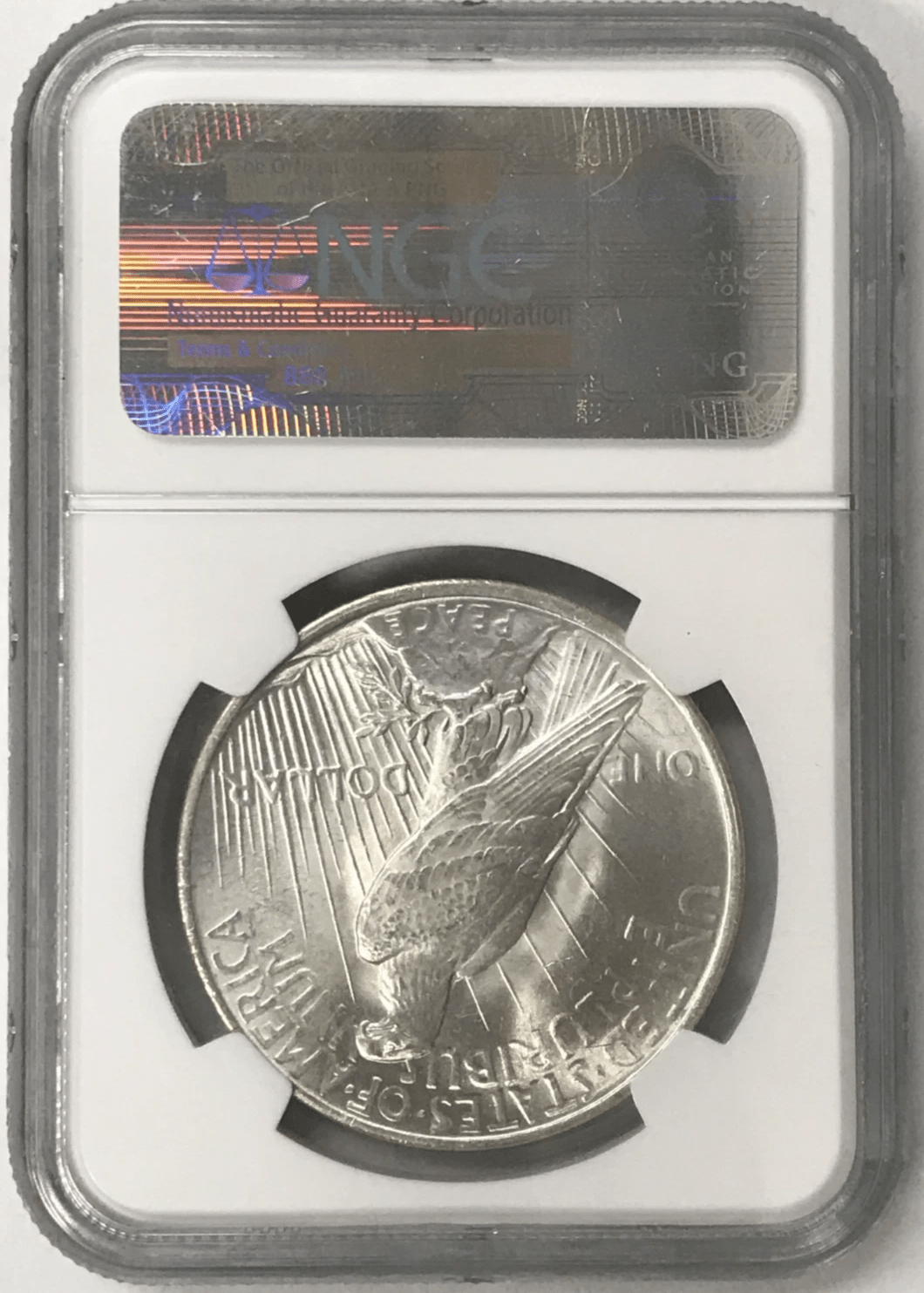
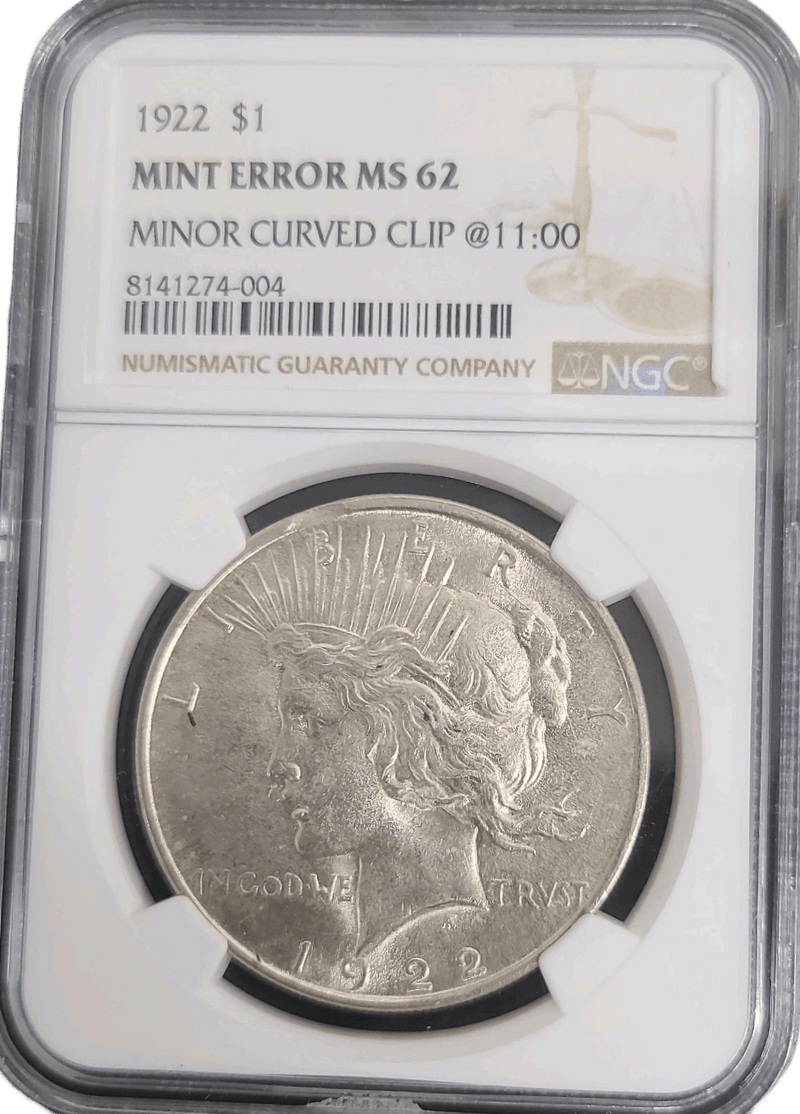
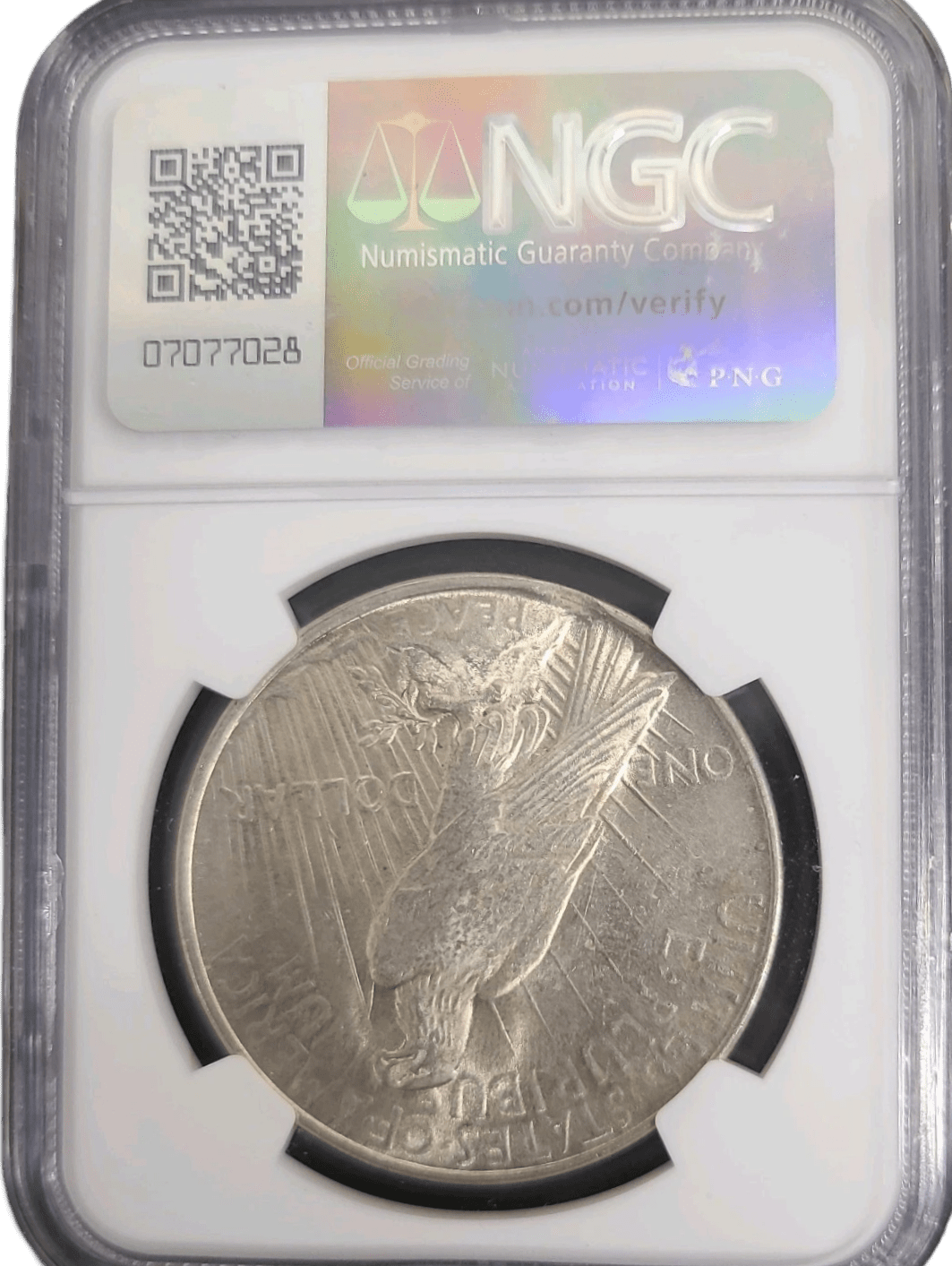
Production of Morgan dollars ended in 1904 when silver reserves were depleted. The coin returned briefly in 1921 before being permanently replaced by the Peace Silver Dollar, which commemorated peace after World War I.
Despite its short revival, the Morgan dollar’s legacy was already firmly established.
Why Morgan Silver Dollars Are So Popular Today
Morgan silver dollars remain a favorite among collectors and investors for several reasons:
-
Classic American design
-
High silver content (.900 fine silver)
-
Wide range of dates and mint marks
-
Strong collector demand
-
Historical importance
Whether you’re collecting by date, mint mark, or condition, Morgan dollars offer something for beginners and advanced numismatists alike.
Looking to own a true American classic?
Browse our selection of Morgan silver dollars or contact us today to learn more about collecting and investing in these iconic U.S. coins.